
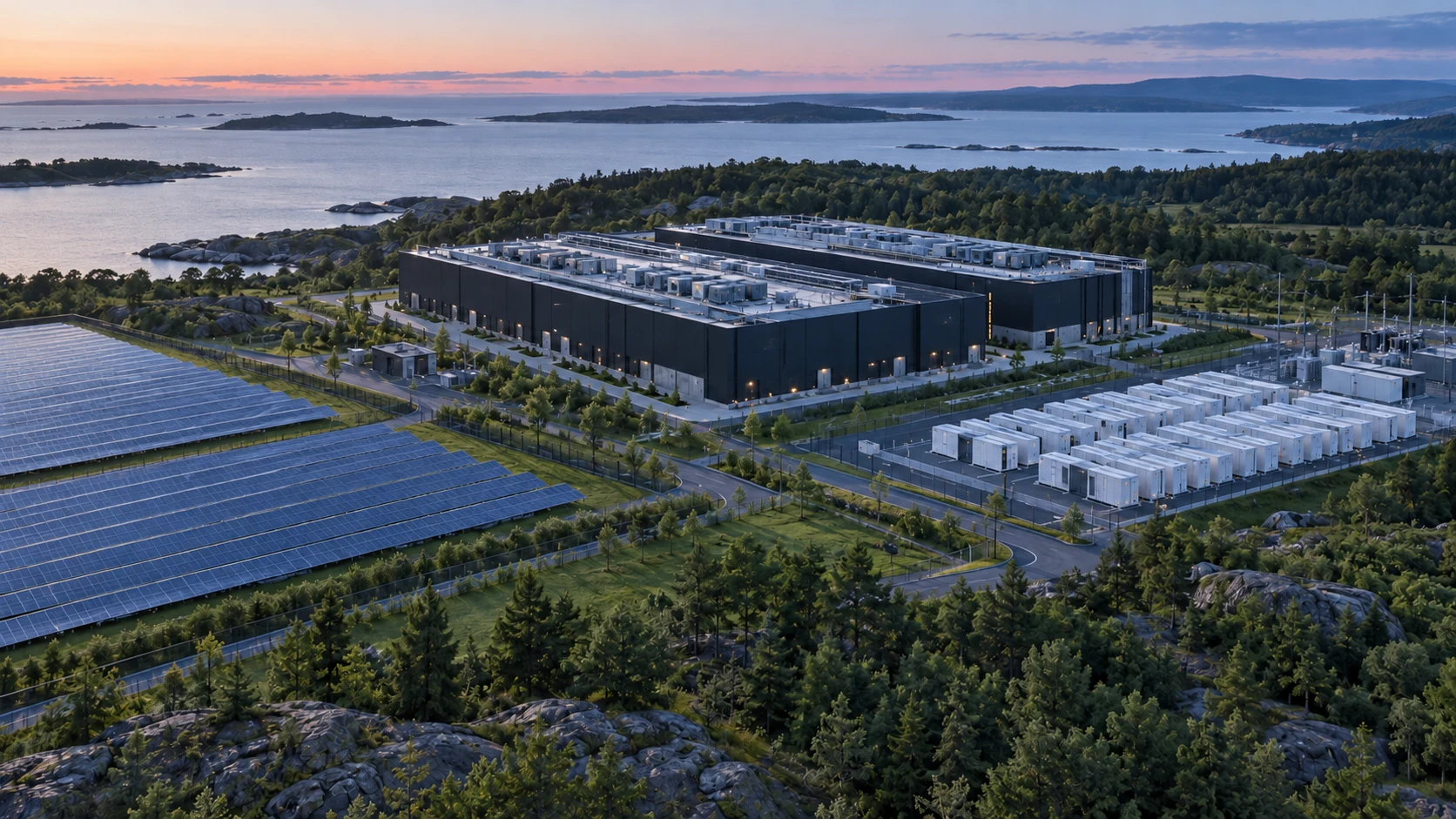
GRID | An energy scenario from dawn to night
One concept campus, four moments. A continuous setting and native timeline explore shared questions of energy and compute.
Use changes through one campus day to explain solar, storage and digital-facility roles without producing a fake live-monitoring panel.
One site, different questions in time
DawnLow light reveals the spatial relationship between facilities.
Concept scenarios for discussing operating conditions, not live data.Put energy and compute into the same day
GRID studies the relationship in time between energy and compute needs in a concept campus. Two low-rise data buildings, solar arrays, storage units and a service road form one setting, shown at dawn, during the day, at dusk and at night.
The project starts not with a capacity figure but with more fundamental questions: when does demand arise, which activities can be scheduled and which conditions must remain available?
Observe different conditions from one position
The four frames retain the same viewpoint and facility positions, making time the central change. Low dawn light, clear daytime structure, the dusk transition and night-time operational lighting describe different states of one place.
This comparison directs attention towards changing conditions rather than presenting unrelated locations as stages of the same project.
Use the timeline to discuss demand
Each moment is paired with a discussion theme: morning preparation, daytime activity, evening transition and continued operation at night. Changing the moment reveals both the image and the relevant question, rather than an unexplained animated curve.
GRID does not present the imagery as live operational data or its arrangement as a validated engineering design. It is a framework for discussing demand, facilities and time together.
From a campus image to a project brief
The study produces four time-of-day images, a scenario description and an energy-demand discussion guide. Readers can understand the whole before following compute and energy paths into more specific material.
The next step is to add real site information, operating needs and specialist evaluation criteria, allowing a concept to develop into a discussable project.
- 01Four time-of-day frames of one campus
- 02Four-stage scenario timeline
- 03Energy and compute discussion brief
The next connection.
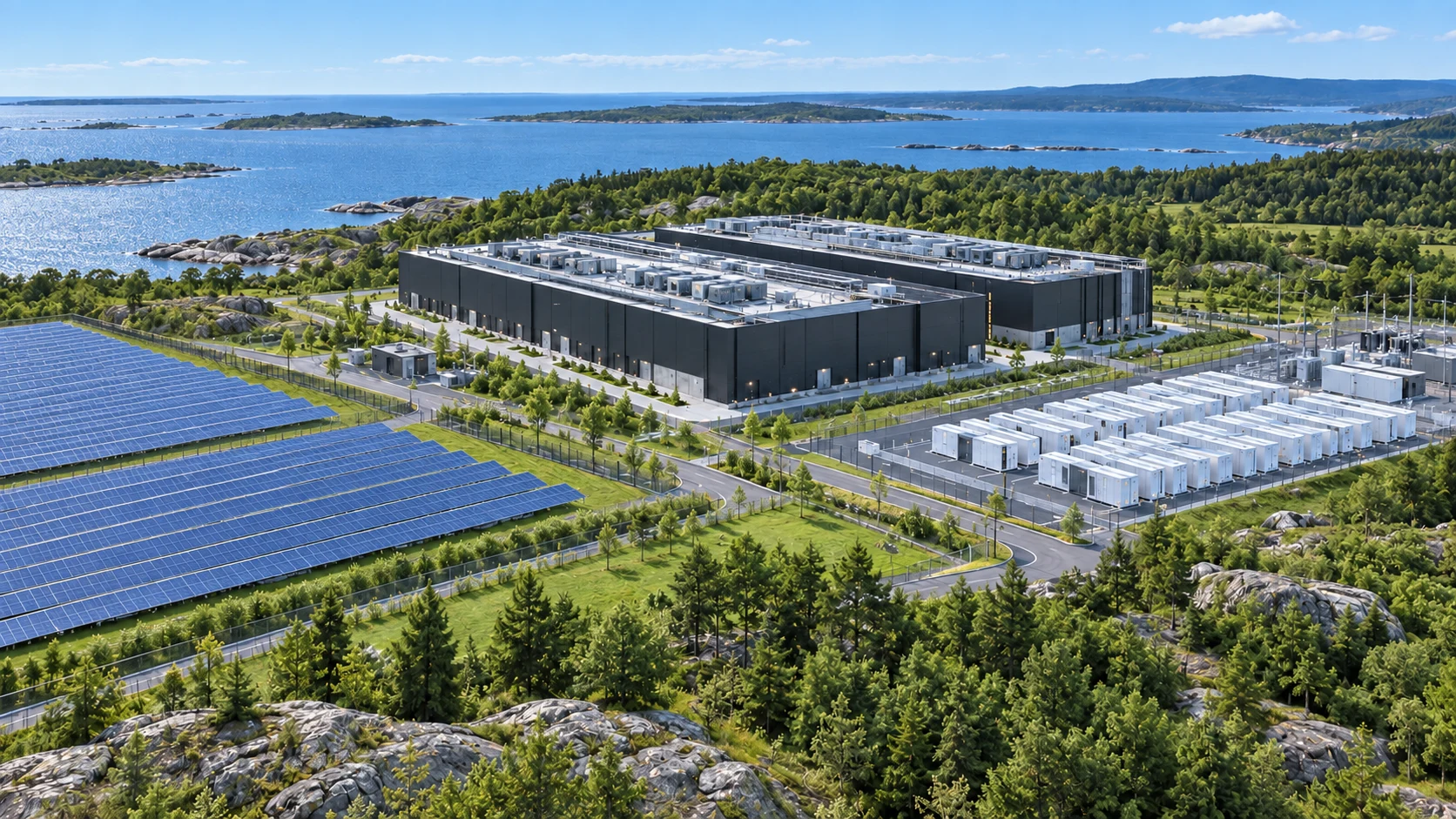
Powering the intelligent future.
BGX's energy activities focus on solar, storage and energy infrastructure. Technology partnerships, product opportunities and project development connect sustainable energy with the long-term needs of the digital economy. With Europe as a priority market, the Group explores opportunities to bring energy technologies and industry partners together.
Explore the story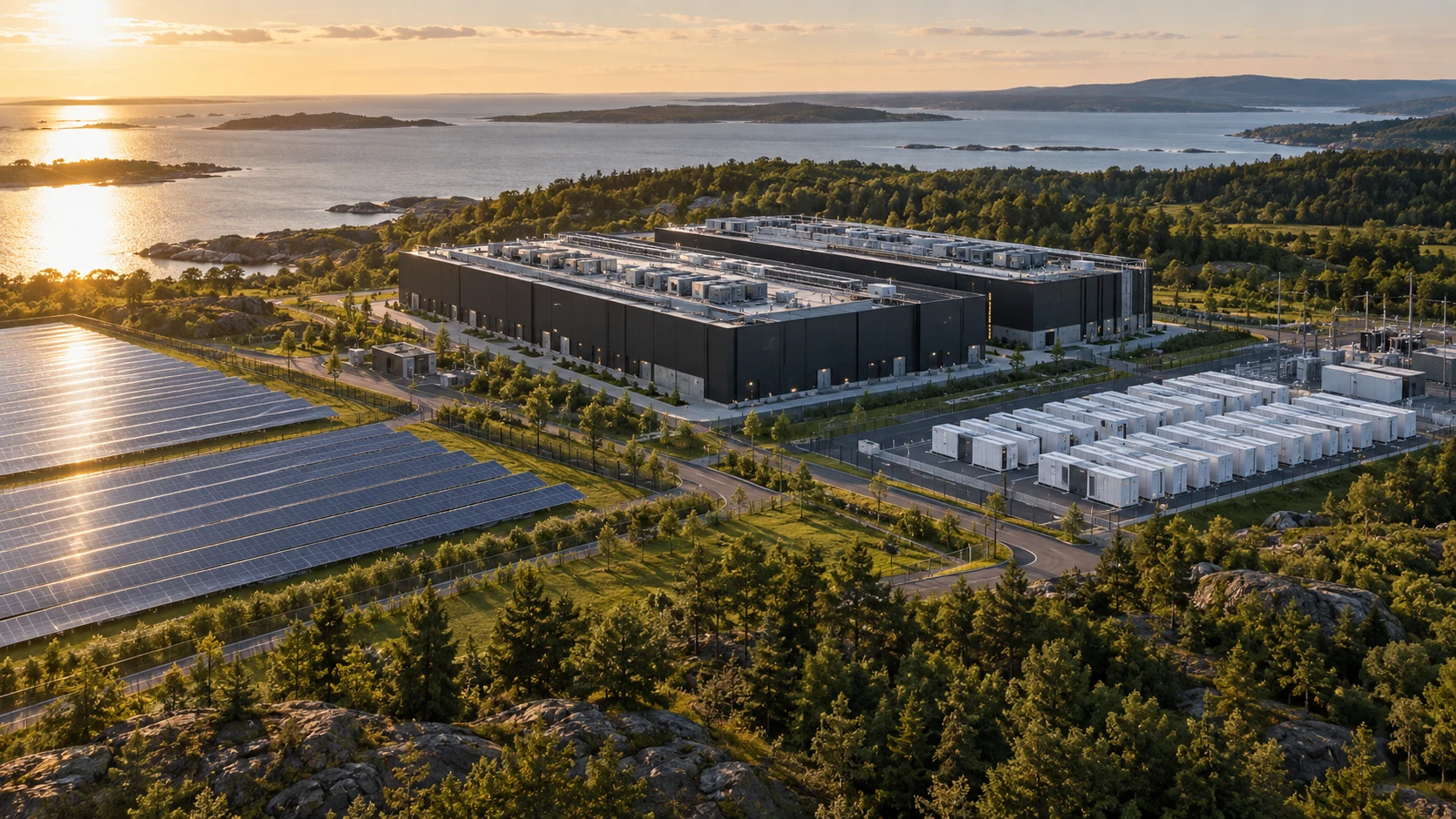
Put solar, storage and compute on the same timeline
An energy scenario is more than a landscape photograph. When generation, flexibility and demand occur determines how they enter the same discussion.
Explore the story
BGX | Energy & Compute Scenario Working Paper
Bring demand timing, site context, energy infrastructure and specialist roles into one working paper.
Explore the storyStart the next conversation with your objective.
Bring your objective, existing materials and intended use to the next conversation.
Discuss a project